

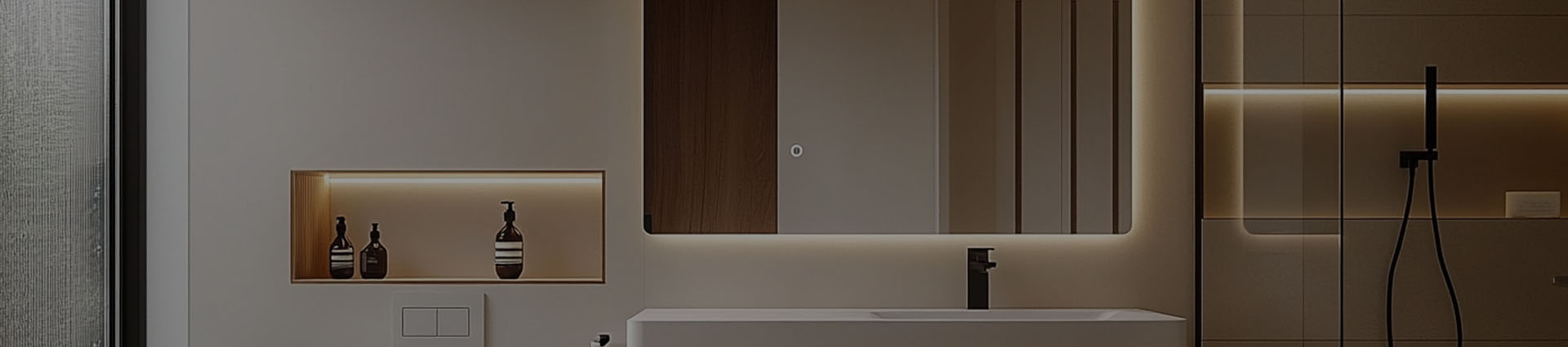
Is There A Specific Sink Measurement for Wall Mounted Faucets
Understanding the Relationship Between Sink Size and Wall Mounted Faucets
Wall mounted faucets do not require one universal sink measurement, but they do rely on several key dimensions to ensure proper function and comfort. Because the faucet is fixed to the wall rather than mounted on the sink, its position must align with the sink’s height, depth, and bowl placement. These measurements determine how well the water stream reaches the center of the basin, how comfortable the user experience is, and whether splashing can be minimized. Correct planning ensures the faucet and sink work together as a single functional unit.
Measuring the Sink Height
One of the most important dimensions is the vertical distance from the floor to the sink rim. This height helps determine how high the faucet should be mounted above the sink. Typical bathroom sinks vary in height, and the faucet must be positioned to allow comfortable use. If the sink is tall, the faucet should not be mounted too high, or water may splash excessively. If the sink is shallow or low, the faucet may need to be installed higher to provide enough room for hand washing.
Measuring Sink Depth and Bowl Placement
The depth of the sink bowl and its distance from the wall directly impact faucet reach. Installers measure from the wall to the center of the basin to determine the ideal spout projection for the faucet. The water stream should land near the center of the bowl, not too close to the front edge or back wall. This ensures:
Comfortable hand washing
Reduced splash
Balance between spout reach and sink shape
Accurate measurement of sink depth prevents choosing a faucet with a spout that is too short or too long for the intended installation.
Measuring the Clearance Needed for Daily Use
Every sink has its own functional requirements based on how it is used. For example, vessel sinks typically sit higher above the countertop, requiring additional clearance between the faucet and the rim. Under-mount or integrated sinks sit lower, so the faucet must be placed closer to the wall. Measuring for clearance involves:
Determining the minimum usable space between faucet spout and sink rim
Ensuring adequate room for washing hands or filling items
Preventing awkward angles that cause discomfort during use
Proper clearance provides ergonomic performance and enhances the overall user experience.
Ensuring the Faucet Height Matches the Sink
After calculating sink height, depth, and bowl position, installers determine the final mounting height for the faucet. While there is no fixed universal measurement, most wall mounted faucets are installed so the spout sits comfortably above the sink rim without restricting movement. This height is adjusted depending on the sink design, user habits, and space available. A well-coordinated setup ensures water flows smoothly into the basin without hitting the edge or causing splashing.
Checking Compatibility Before Installation
Before finalizing installation, all measurements must be reviewed together. The faucet should complement the sink’s proportions and placement. Common checks include:
Will the spout reach the center of the bowl?
Is there enough vertical space between the faucet and sink rim?
Does the faucet height align with the user’s preferences?
Will the water stream fall at a comfortable distance?
Taking these measurements early helps avoid adjustments during or after construction, making installation smoother and more accurate.