

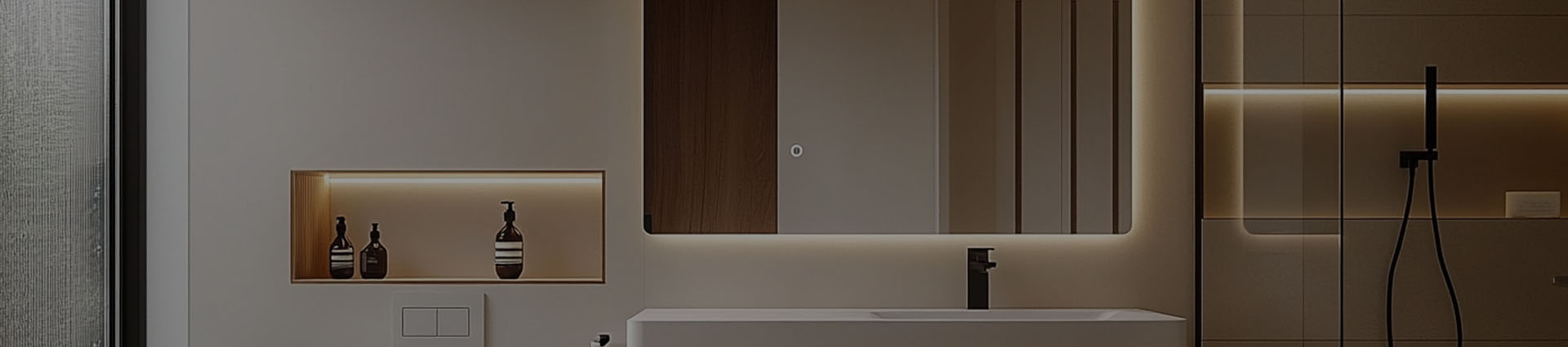
What Size Sink for Wall Mount Faucet
Understanding the Relationship Between Sink Size and Wall Mounted Faucets
A wall mounted faucet does not require a specific universal sink size, but the sink you choose must match the faucet’s height, spout reach, and water landing point. Because the faucet is fixed to the wall and not the sink, proper coordination ensures comfortable use, controlled splash, and balanced proportions. The right sink size depends on how far the faucet extends into the basin and how high it sits above the rim.
Choosing the Correct Sink Width
The width of the sink determines how well it aligns with the faucet. For most installations, the faucet is centered horizontally above the sink, so the basin should be wide enough to catch the water stream comfortably. Narrow sinks can still work with wall mounted faucets, but precise placement becomes more important. Wider sinks offer more flexibility because the water stream naturally falls within the central area of the basin.
Matching Sink Depth to Faucet Reach
Sink depth is one of the most important measurements when selecting a sink for a wall mounted faucet. A deeper sink helps control splash when the faucet is mounted high on the wall. Shallower sinks require careful positioning to avoid water bouncing out of the basin.
To ensure good functionality:
Measure the sink depth from rim to bottom
Confirm that the faucet spout reach directs water near the center of the bowl
Adjust mounting height if the sink is unusually deep or shallow
A balanced setup places the water stream comfortably inside the bowl without hitting the back wall or the front edge.
Coordinating Spout Reach With Sink Size
Wall mounted faucets come in different spout projections. Shorter spouts work best with compact sinks, while longer spouts pair well with large or deep basins. The spout reach must be long enough to extend over the rim and into the usable washing area. When spout reach and sink size do not match, everyday use becomes inconvenient.
Before selecting a sink, determine:
How far the faucet extends from the wall
How far the sink projects from the wall
Where the water should land in the bowl
These measurements ensure proper alignment between the faucet and the center of the basin.
Selecting Sink Height for Comfortable Use
The sink height affects how high the faucet should be mounted. Vessel sinks, which sit above the counter, require additional faucet clearance. Undermount or integrated sinks sit lower, allowing closer faucet placement.
A suitable sink height creates enough room between the spout and the sink rim for washing hands, filling containers, or general cleaning. Choosing a sink that aligns with the planned faucet height results in a functional and comfortable setup.
Best Sink Types for Wall Mounted Faucets
Several sink styles work especially well with wall mounted faucets:
Vessel sinks: Their elevated height pairs well with wall mounting.
Pedestal sinks: The clean vertical line complements the faucet’s placement.
Wall hung sinks: Both the sink and faucet float above the floor, creating a minimal look.
Bathroom basins with no faucet holes: Wall mounting eliminates the need for deck holes, offering more design freedom.
Each type works as long as the sink’s size and shape align with the faucet’s reach and height.
Practical Guidelines for Choosing the Right Sink Size
While there is no strict size requirement, most installations follow these general principles:
The water stream should land near the center of the bowl.
The sink should be deep enough to manage splash.
The spout reach should coordinate with the sink’s front-to-back dimension.
The sink width should allow comfortable washing without feeling cramped.
Following these guidelines ensures that the faucet and sink operate seamlessly together.
Previous: Why A Wall-Mounted Faucet